
Owning a boat is one of life’s great pleasures, but like any vehicle, regular maintenance is essential to keep it safe, reliable and ready for your next adventure.
The good news is that not every maintenance task requires a workshop visit. There are several simple checks and preventative measures that every boat owner can perform to help reduce breakdowns, extend equipment life and protect their investment.
1. Flush Your Outboard After Every Use
If you operate in saltwater, flushing your outboard with fresh water after every trip is one of the most important maintenance tasks you can perform.
Salt deposits can build up inside the cooling system and contribute to corrosion over time. Most modern outboards have built-in flushing ports that make this process quick and easy.
Even if you only have time for one maintenance task, make it this one.
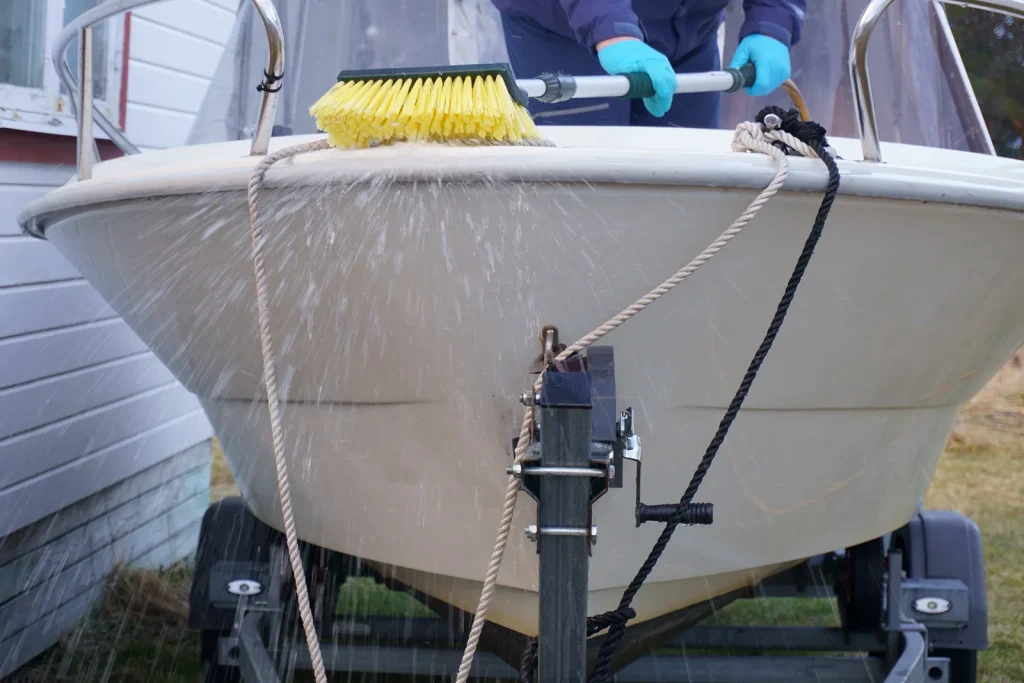
2. Wash Your Boat Thoroughly
Salt doesn’t just affect the engine. It can damage trailers, fittings, steering systems and electrical components.
After each outing:
- Rinse the hull with fresh water
- Wash down stainless steel fittings
- Clean the windscreen
- Remove fish scales, bait residue and sand
- Rinse rod holders and deck hardware
Regular cleaning helps prevent corrosion and keeps your boat looking its best.
3. Inspect the Propeller
Your propeller works hard and can easily be damaged by sandbanks, rocks or submerged debris.
Look for:
- Bent blades
- Cracks
- Chips
- Fishing line wrapped around the shaft
Even minor propeller damage can affect fuel economy, performance and engine health.
4. Check Engine Oil Levels
Four-stroke outboards require regular oil checks.
Before heading out:
- Check oil levels
- Look for signs of contamination
- Ensure the oil appears clean and at the correct level
If the oil appears milky or unusually dirty, have the engine inspected by a professional.
5. Keep an Eye on Your Battery
Many boating issues can be traced back to battery problems.
Regularly inspect:
- Battery terminals for corrosion
- Cable connections for looseness
- Battery charge levels
- Battery mounting brackets
A quick check before each trip can help prevent the frustration of being stranded at the ramp.
6. Test Your Safety Equipment
Safety equipment is often forgotten until it’s needed.
Check regularly:
- Life jackets
- Flares
- Fire extinguishers
- EPIRBs
- First aid kits
- Navigation lights
Replace expired items promptly and ensure all equipment remains accessible.
7. Inspect Fuel Lines and Connections
Fuel systems are exposed to vibration, heat and harsh marine conditions.
Look for:
- Cracks in hoses
- Loose fittings
- Fuel leaks
- Signs of deterioration
If you smell fuel or notice any leaks, have the system inspected immediately.
8. Grease Moving Components
Trailer couplings, winches, steering linkages and other moving parts benefit from regular lubrication.
A few minutes with a grease gun can help prevent expensive repairs later and ensure everything operates smoothly.
9. Check Your Trailer
Your trailer is just as important as your boat.
Before each trip inspect:
- Tyre pressures
- Wheel bearings
- Lights
- Safety chains
- Winch straps
- Brakes (if fitted)
Many breakdowns occur on the road rather than on the water.
10. Keep Service Records
Maintaining a simple logbook helps track:
- Service intervals
- Oil changes
- Repairs
- Battery replacements
- Trailer maintenance
Good records make future servicing easier and can improve resale value if you decide to upgrade.
Know When to Book a Service
While routine inspections and basic maintenance can be handled by most owners, professional servicing remains essential for protecting your boat and motor.
Qualified technicians can identify wear, corrosion and developing issues long before they become costly failures. Regular servicing also ensures critical systems continue operating safely and reliably when you’re out on the water.
Keep Your Boat Ready for Every Adventure
A few minutes spent on routine maintenance after each trip can save hours of frustration and thousands of dollars in repairs down the track.
By combining simple owner checks with regular professional servicing, you’ll enjoy greater reliability, improved safety and more time doing what matters most—getting out on the water.
If you’re unsure about a maintenance issue or your next service is due, we’re always here to help. Contact us with any questions you might have or to make your next service booking.